
Identifying bargaining power in Murray-Darling Basin temporary water markets. Key takeaways from the UCT-UCR seminar
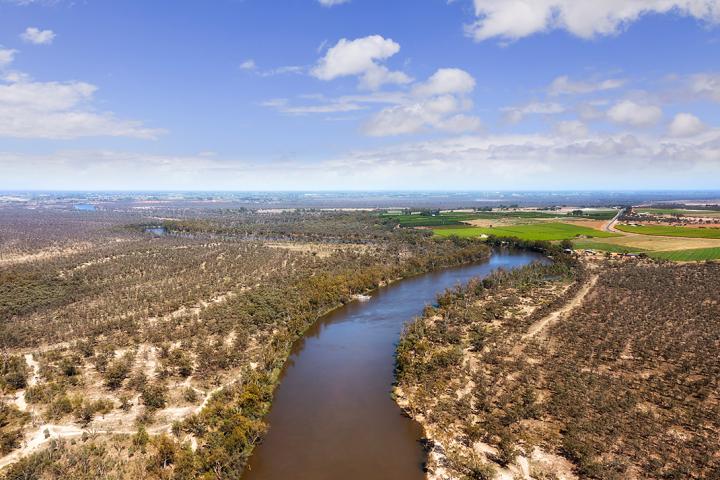
On November 19, 2025, Professors Sarah Ann Wheeler and Alex Zuo from the Water, Environment and Food economics policy group (WEF group) in the College of Business, Government and Law at Flinders University, Australia, presented their research on bargaining power in temporary water markets within Australia's Murray-Darling Basin. Their work explored how financial investors and other non-irrigator stakeholders may hold advantages over traditional irrigators.
Using the hedonic price model to analyse over 150,000 data points from state water registers, the researchers found that financial investors often secure premium prices in water trades. This is largely due to their superior access to information and resources, which can disadvantage smaller irrigators.
Key takeaways:
- Bargaining should not happen in efficient markets, but it does with irrigation water because its value is highly localised and differs between users.
- Water markets can fail due to imperfect competition, adverse side effects, unequal access to information, and issues with property rights.
Financial investors often have more bargaining power, allowing them to sell water allocations at higher prices. - The research supports the Australian Competition and Consumer Commission (ACCC) recommendations to improve equity, competition, and transparency in water markets.
The Q&A session addressed several complex dynamics of Australian water management. Key topics included the impact of colonisation on First Nations' water rights and current efforts to address these inequities, the influence of groundwater salinity on bargaining power, trade-offs irrigators face during droughts and the potential of future desalination systems.
This presentation is part of the UCT-UCR Seminar Series: Water Economics and Politics, a joint initiative between the University of Cape Town (UCT) and the University of California, Riverside (UCR).