event
Drought, health, and resilience: Protecting communities in a changing climate
1 September 2026


Times
Tue, 1 Sep 26
16:00 - 17:00
Water Economics and Politics Seminar Series
/ Water and health
Speaker: Prof. Jesse Bell | Claire M. Hubbard Professor of Water, Climate and Health at University of Nebraska Medical Center, United States; Director of the Water, Climate and Health Program; Director of Water, Climate and Health at Daugherty Water for Food Global Institute (DWFI)
Time: 16:00 South African Standard Time (SAST) | GMT +2
Topic: The Water, Climate and Health Program at the University of Nebraska Medical Center leads interdisciplinary research and engagement to understand and address the complex links between drought and human health. Drought is among the deadliest and costliest climate-related disasters globally, yet its health impacts are often overlooked. The program combines cutting-edge science, community engagement, and public health policy to improve drought preparedness and response worldwide. Key resources include national guidance documents for integrating health into drought planning and communication frameworks for health professionals. Through research, engagement, and training, the team advances evidence-based strategies to protect health and enhance community resilience.
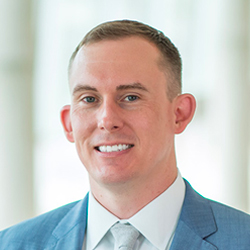
About the speaker: Dr Jesse E. Bell is the Claire M. Hubbard Professor of Water, Climate, and Health in the Department of Environmental, Agricultural, and Occupational Health at the University of Nebraska Medical Center (UNMC), with a joint appointment in the School of Natural Resources at the University of Nebraska–Lincoln. He serves as Director of the Water, Climate and Health Program at UNMC and Director of Water, Climate and Health at the Daugherty Water for Food Global Institute. As founding director, he helped establish the mission and strategic vision of a growing interdisciplinary initiative that now supports 19 faculty and staff, 17 students, and affiliated collaborators.
Dr Bell’s research examines how climate variability, environmental change, and water quality affect human health. Prior to UNMC, he held an interagency position between NOAA and the CDC, integrating climate data into public health decision-making. He has authored more than 80 publications and contributed to major national assessments, including the U.S. National Climate Assessment. A leading expert on drought and health, his work also advances water quality protection and science-based communication to safeguard communities. A native Nebraskan, he earned his PhD from the University of Oklahoma.